
Why AI Coding Is Making Bubble Obsolete
Five years.
That's how long Orbit spent building on Bubble. Five years of learning the platform, mastering its quirks, building apps, serving clients. Five years of being a Bubble advocate, recommending it to everyone who'd listen.
Then, in 2024, Orbit posted something that sent shockwaves through the Bubble community:
"A bittersweet goodbye — why I'm moving on after 5 incredible years on Bubble"
What changed? What made a five-year veteran walk away from a platform they'd invested thousands of hours learning?
"The speed of development in modern AI-powered IDEs has become too significant for us to ignore." — Orbit, Bubble Forum
AI coding tools didn't just get better. They got so good that they fundamentally changed the math on no-code versus custom code. The gap that made Bubble worth its trade-offs? It's closing fast—and for many builders, it's already closed.
"friends build the same app in one week that took me a month in Bubble" — Orbit, Bubble Forum
Read that again. Not "professionals at a top agency." Friends. People who weren't developers. Building in one week what a Bubble expert needed a month to create.
This isn't a story about Bubble failing. Bubble is still the same product it was two years ago—maybe even better. This is a story about the ground shifting beneath no-code's feet. About what happens when the "you need to learn to code" barrier drops from months to hours.
And if you're reading this with a Bubble app in production, it's a story about what happens next—and what your options are.
The Promise That Made Bubble Powerful
To understand why AI coding changes everything, we need to remember why Bubble worked in the first place.
Bubble's value proposition was simple and compelling:
Without Bubble: Learn HTML, CSS, JavaScript, React/Vue/Angular, Node.js/Python, PostgreSQL/MongoDB, AWS/GCP deployment. Then build your app. Timeline: 6-18 months. Cost: $50,000-$200,000 if hiring developers.
With Bubble: Learn Bubble's visual interface. Build your app. Timeline: 2-6 weeks. Cost: $29-$529/month subscription.
The trade-off was clear: You gave up code ownership, performance, scalability, and flexibility. In exchange, you got speed and accessibility. For early-stage founders testing ideas, this was a no-brainer.
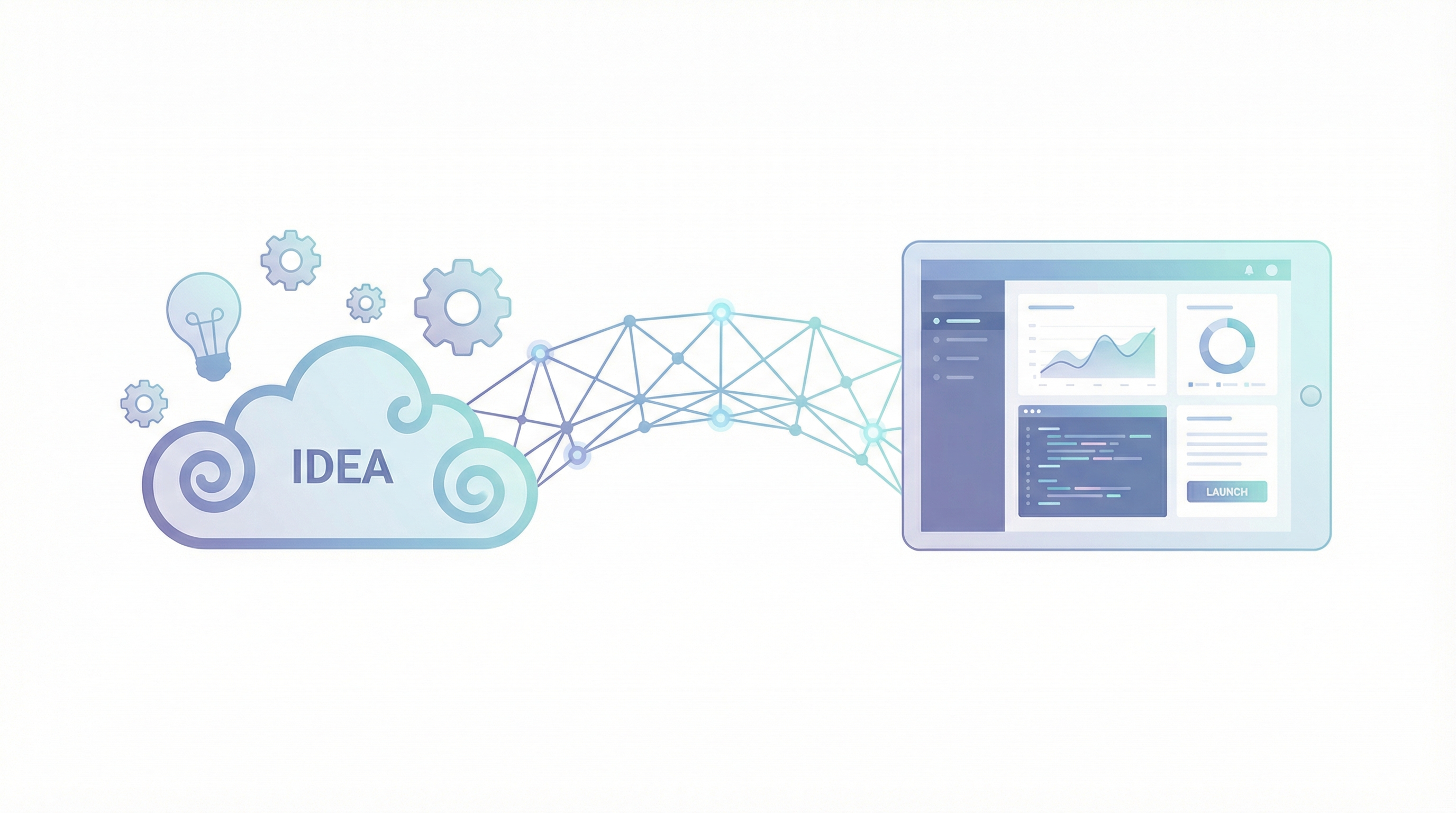
Bubble wasn't just a tool—it was a bridge. It let non-technical founders cross the gap between "idea" and "working product" without waiting for funding, learning to code, or hiring a development team.
For a decade, this bridge was invaluable. The only way across the gap without Bubble was the long way: months of learning, or tens of thousands of dollars.
Then AI built a new bridge.
How AI Coding Tools Changed the Equation
The Old Coding Experience
Before AI coding assistants, learning to code looked like this:
- Choose a language (overwhelming options)
- Set up a development environment (hours of configuration)
- Learn syntax, concepts, and patterns (months of tutorials)
- Build simple projects to practice (more months)
- Learn a framework for web apps (React, Vue, etc.)
- Learn backend development (databases, APIs, servers)
- Learn deployment (AWS, Vercel, Docker)
- Finally start building your actual product
Each step had friction. Each step had a learning curve. Each step had failure modes that could stop beginners cold. A typo in your code? Cryptic error messages. Environment configuration wrong? Nothing works. Forgot a semicolon? Good luck debugging.
This friction was Bubble's moat. Why spend 6 months learning all that when you could learn Bubble in 2 weeks?
The AI Coding Experience
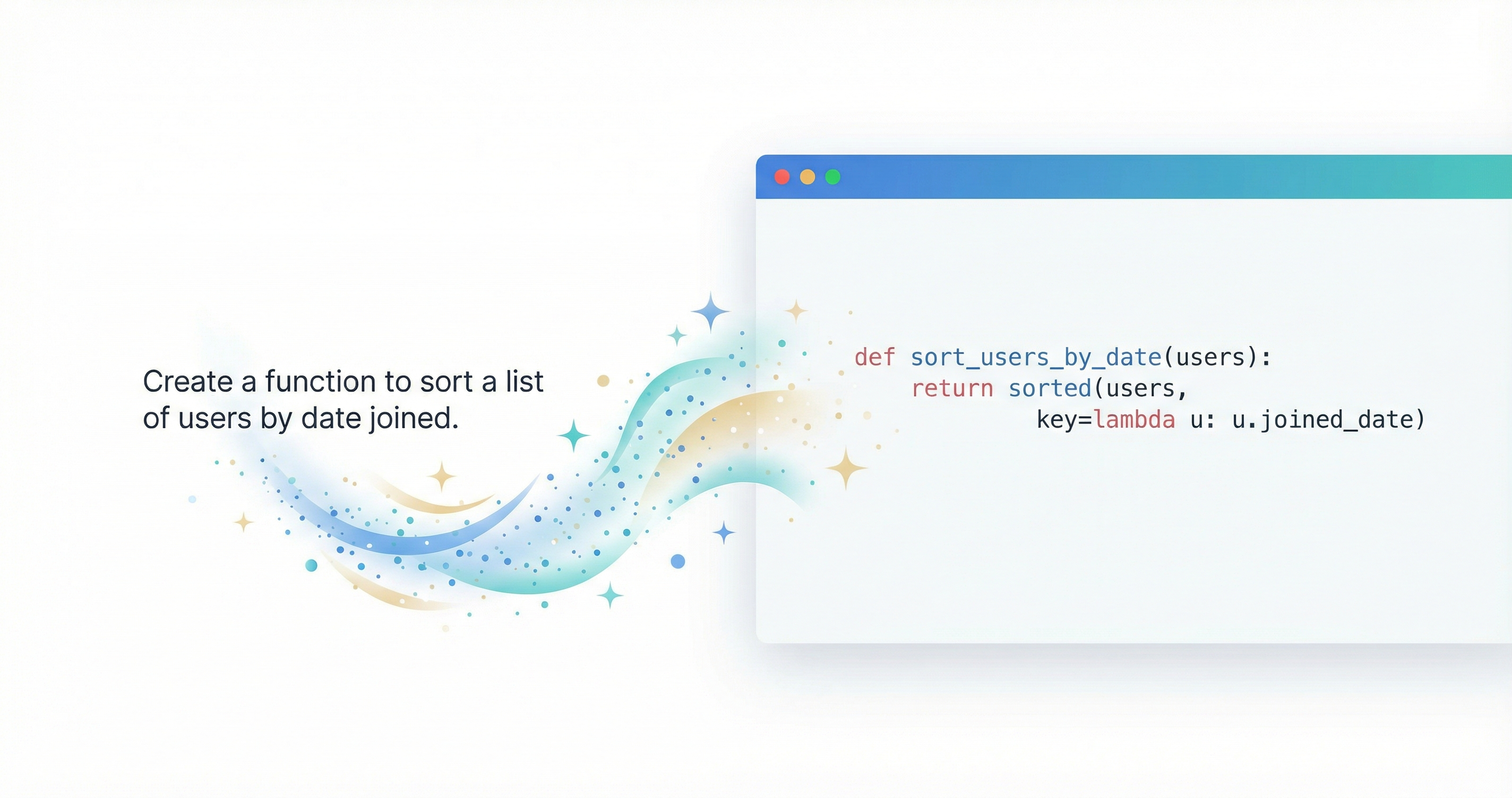
With tools like Cursor, GitHub Copilot, Claude, and ChatGPT, learning to code looks like this:
- Describe what you want to build
- AI generates the code
- Run it
- Describe what's wrong or what you want to change
- AI fixes it
- Repeat until done
The friction collapsed. Error messages? AI explains them and fixes the code. Don't know the syntax? AI writes it. Don't understand a concept? AI teaches you while implementing it.
"If AI can build anything you want in seconds, on a dollar per month hosting plan, why would you pay bubble 10 or 100x?" — sem, Bubble Forum
This isn't a rhetorical question. It's a spreadsheet calculation that more Bubble users are running—and the numbers aren't working in Bubble's favor.
The Real Math: Bubble vs. AI-Assisted Coding
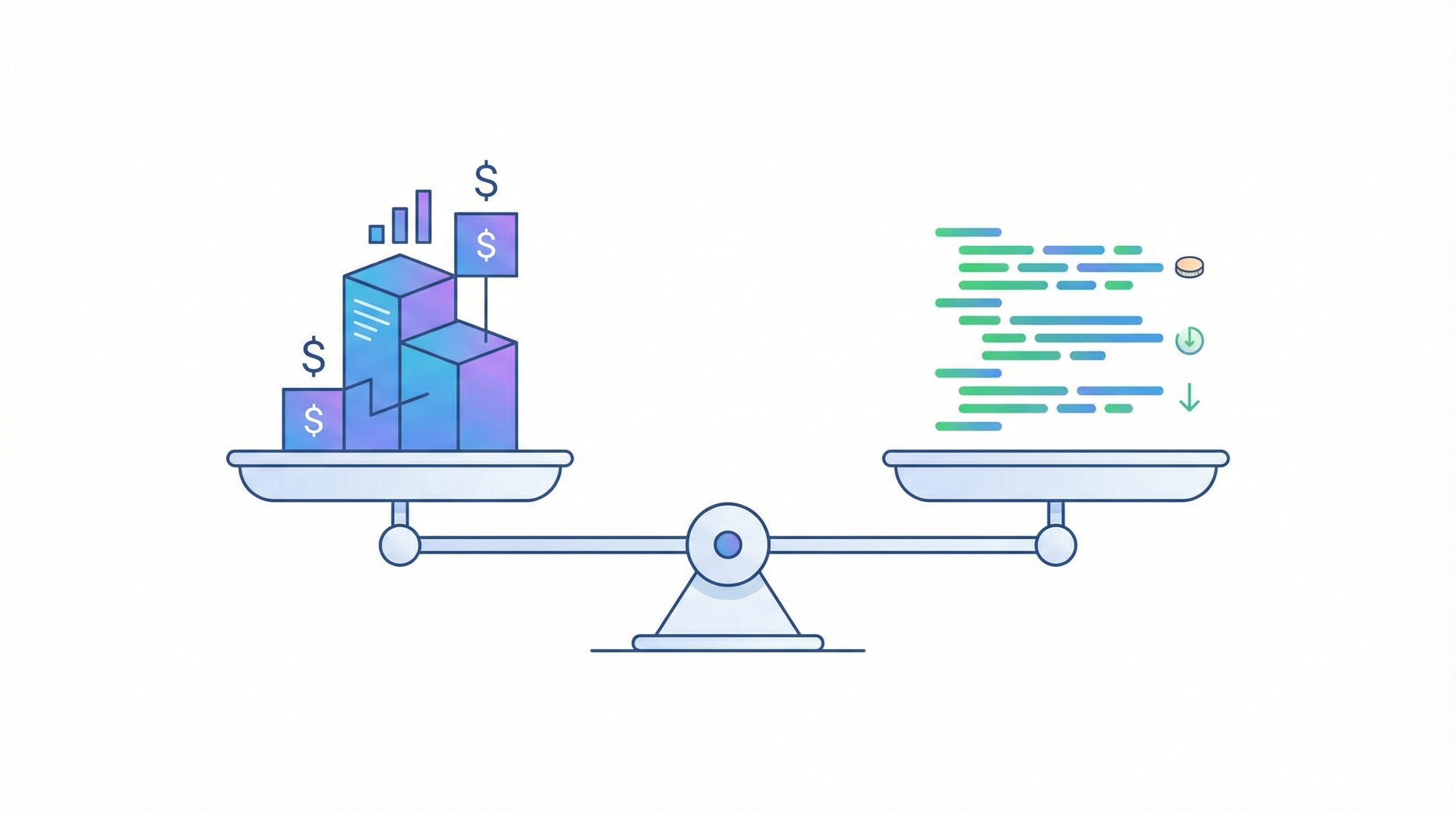
Let's get specific. Here's what a typical Bubble founder is weighing:
Speed Comparison (2024-2025)
| Task | Bubble (Experienced User) | AI-Assisted Coding (Beginner) |
|---|---|---|
| Basic CRUD app | 1-2 weeks | 2-5 days |
| User authentication | 1-2 days | 1-2 hours |
| Stripe integration | 1 day | 2-4 hours |
| API integration | 2-4 hours | 30-60 minutes |
| Complex workflow | 4-8 hours | 1-3 hours |
| Custom UI component | 2-4 hours | 30-60 minutes |
The speed advantage that made Bubble essential? It's shrinking rapidly. For many tasks, AI-assisted coding is now faster than drag-and-drop visual builders.
Cost Comparison (Annual)
| Scenario | Bubble Cost | AI-Assisted Coding Cost |
|---|---|---|
| Early-stage startup | $1,908-$4,068/year | $120-$240/year (Vercel/hosting) |
| Growing app (10K users) | $4,068-$6,348/year | $240-$600/year |
| Scaling app (50K+ users) | $6,348+ plus WU overages | $600-$2,400/year |
| Enterprise (100K+ users) | $15,000-$50,000+/year | $2,400-$12,000/year |
AI tools cost: Cursor Pro ($20/month), Claude Pro ($20/month), or GitHub Copilot ($10-19/month). One-time costs, regardless of how many users your app has.
Critical difference: Bubble's costs scale with usage. Custom code hosting costs scale with infrastructure. The divergence accelerates as you grow.
What You Get for the Money
| Feature | Bubble | Custom Code (AI-Assisted) |
|---|---|---|
| Code ownership | ❌ No | ✅ Yes |
| Performance | ⚠️ Limited | ✅ Full control |
| Scalability | ⚠️ Expensive | ✅ Standard pricing |
| Customization | ⚠️ Plugin-dependent | ✅ Unlimited |
| Hiring developers | ❌ Bubble-only devs | ✅ Any developer |
| Investor appeal | ⚠️ Raises concerns | ✅ Standard |
| Exit/acquisition | ❌ Major liability | ✅ Standard due diligence |
The Orbit Effect: Why Veterans Are Leaving

Orbit's departure wasn't isolated. It represented a pattern we're seeing across the Bubble community.
The Client Problem
"I've lost over 90% of potential clients because I couldn't offer code ownership." — Orbit, Bubble Forum
Orbit wasn't leaving because they fell out of love with Bubble. They were leaving because their clients demanded code ownership—and Bubble couldn't provide it.
This pattern hits agencies and freelancers hardest. You can build beautifully on Bubble, but when enterprise clients ask about:
- Code ownership for due diligence
- Compliance requirements (HIPAA, SOC 2, GDPR data residency)
- Investor requirements for Series A+
- Acquisition readiness
The answer is always: "You can't have the code. It runs on Bubble or it doesn't run."
For Bubble developers building for themselves, this might be acceptable. For agencies building for paying clients, it's becoming a dealbreaker.
The Speed Reversal
The cruelest irony is this: Bubble experts spent years learning a platform, and now beginners with AI tools can match their output speed.
When someone asks Orbit "Can you build me an app?", they have two options:
- Build it on Bubble (expertise: high, speed: medium, client satisfaction: declining)
- Build it with AI-assisted custom code (expertise: learning, speed: high, client satisfaction: high)
The rational choice becomes obvious. The sunk cost of Bubble expertise doesn't change the math on future projects.
"The speed of development in modern AI-powered IDEs has become too significant for us to ignore." — Orbit, Bubble Forum
This is the sound of the calculus flipping. When your competitive advantage (speed) becomes your competitive disadvantage, it's time to adapt.
The AI Coding Stack That's Replacing Bubble
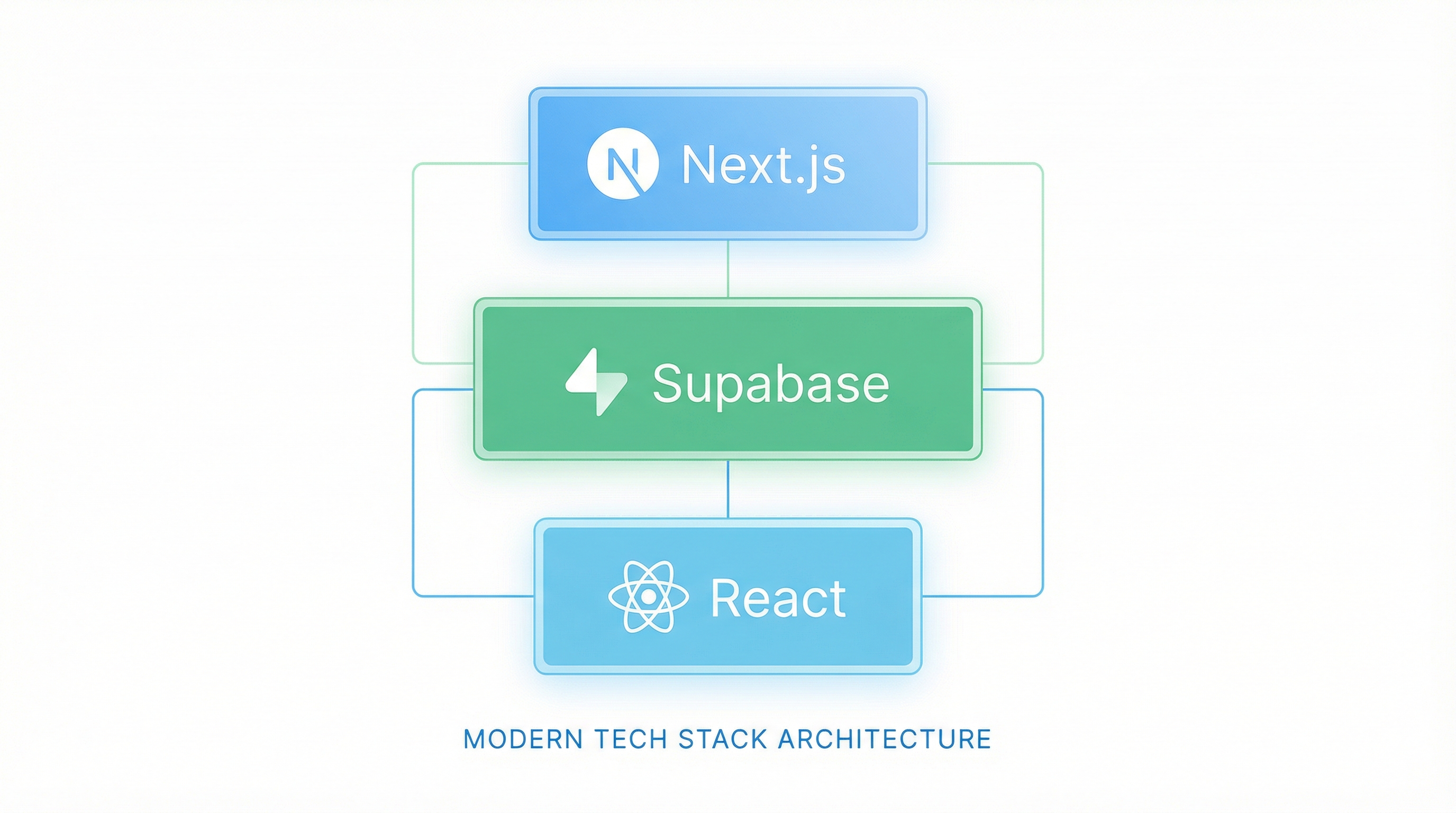
What are people actually switching to? Here's the modern stack that's absorbing Bubble refugees:
Frontend: Next.js + React
Next.js handles everything Bubble does for the frontend—pages, routing, components, styling—but with:
- Server-side rendering (faster loads)
- Static generation (even faster)
- Incremental static regeneration (best of both)
- Full React ecosystem access
AI tools excel at React. Tell Cursor "Create a user dashboard with sidebar navigation and data cards" and watch it generate production-ready code.
Backend: Supabase or Firebase
These platforms provide:
- PostgreSQL database (Supabase) or NoSQL (Firebase)
- Authentication built-in
- Real-time subscriptions
- Row-level security
- Generous free tiers
"We have moved out completely from bubble using supabase and next js. possibilities are endless" — munaeemmmm, Bubble Forum
The "possibilities are endless" sentiment appears repeatedly in migration stories. Bubble users aren't just matching functionality—they're unlocking capabilities that were impossible before.
AI Coding: Cursor, Copilot, or Claude
These tools provide:
- Code generation from natural language
- Code explanation and debugging
- Refactoring and optimization
- Documentation generation
- Test generation
The combination is potent: Next.js for structure, Supabase for backend, AI for velocity. Three tools that together outperform Bubble on every dimension.
Deployment: Vercel or Railway
One-click deployment that:
- Handles scaling automatically
- Provides global CDN distribution
- Offers preview deployments for testing
- Costs $0-20/month for most applications
No server management. No DevOps expertise required. Just push code, get a live application.
What This Means If You're Still on Bubble
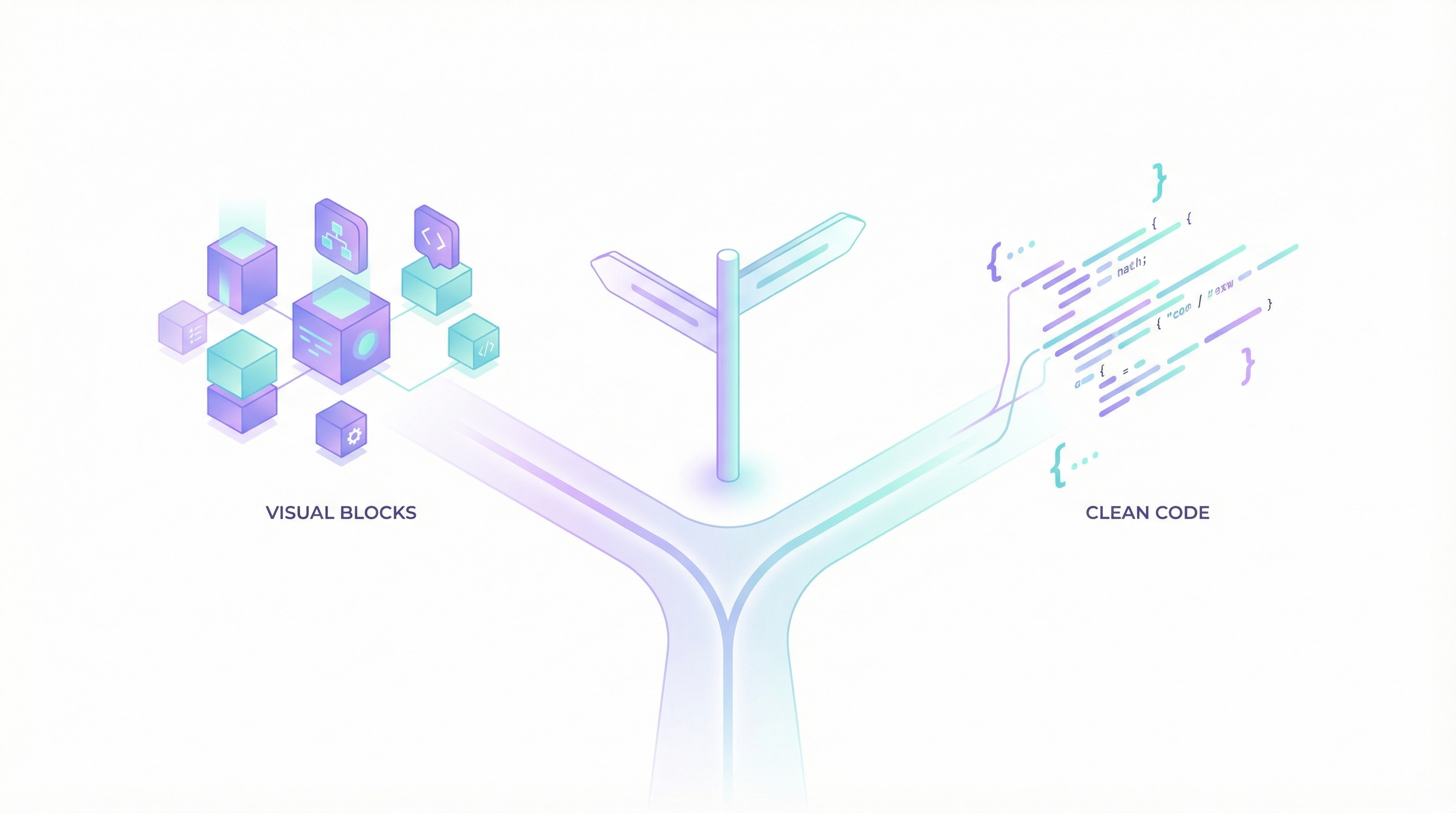
If you're reading this with a production Bubble app, you're probably asking: "What should I do?"
The answer depends on your situation:
Stay on Bubble If:
-
You're validating an idea: For pure prototyping, Bubble still offers value. Get to product-market fit first, worry about code later.
-
Your app is simple and stable: Under 1,000 users, simple workflows, no compliance requirements? The migration cost may exceed the benefit.
-
You genuinely can't learn coding: Some founders truly can't or won't engage with code, even AI-assisted. That's valid. Stay where you're productive.
-
Costs are manageable: If your Bubble bill is $100/month and that works for your business, don't fix what isn't broken.
Migrate Away If:
-
Costs are escalating: Workload units climbing? Bills surprising you monthly? This only gets worse with growth.
-
Performance is suffering: Users complaining about load times? Bounce rates climbing? Custom code is 4-8x faster.
-
You need code ownership: Investor discussions? Enterprise clients? Acquisition possibility? Code ownership is increasingly non-negotiable.
-
You're hitting Bubble's limits: Complex integrations? Custom functionality? Advanced security requirements? You'll keep fighting the platform.
-
You want to learn AI coding anyway: If you're curious about AI development tools, migrating an existing app is an excellent learning project.
The Migration Timing Question
Here's the uncomfortable truth: Migration doesn't get easier with time.
Every feature you add to your Bubble app is another feature to migrate. Every user you onboard is another user to transition. Every month of growth deepens your lock-in.
"either I move / rebuild or I shutdown on October 1st, 2024" — Drahgoone, Bubble Forum
Drahgoone hit the wall. Costs or capability gaps forced a binary choice: migrate or shut down. No middle ground.
The founders who migrate smoothly are the ones who do it before they're forced. They maintain runway. They keep options open. They don't rebuild under a deadline.
How to Actually Migrate (Without Starting Over)
This is where most "Bubble is dying" articles end—with doom and no practical path forward. Let's be more useful.
Option 1: AI-Assisted Manual Rebuild
Best for: Technical founders comfortable with code, smaller apps, learning opportunity seekers.
Process:
- Document your Bubble app's functionality
- Set up a Next.js + Supabase project
- Use Cursor/Claude to recreate each feature
- Migrate your database
- Redirect users
Timeline: 2-8 weeks depending on complexity Cost: Your time + AI tools (~$20-40/month) Risk: Medium—depends on your technical comfort
Option 2: Hire Developers
Best for: Funded startups, complex apps, no technical founder.
Process:
- Create detailed specifications
- Find developers (agencies or freelancers)
- Manage the rebuild project
- QA and iterate
- Launch and migrate users
Timeline: 2-6 months Cost: $25,000-$200,000+ Risk: High—depends on developer quality, communication, specs accuracy
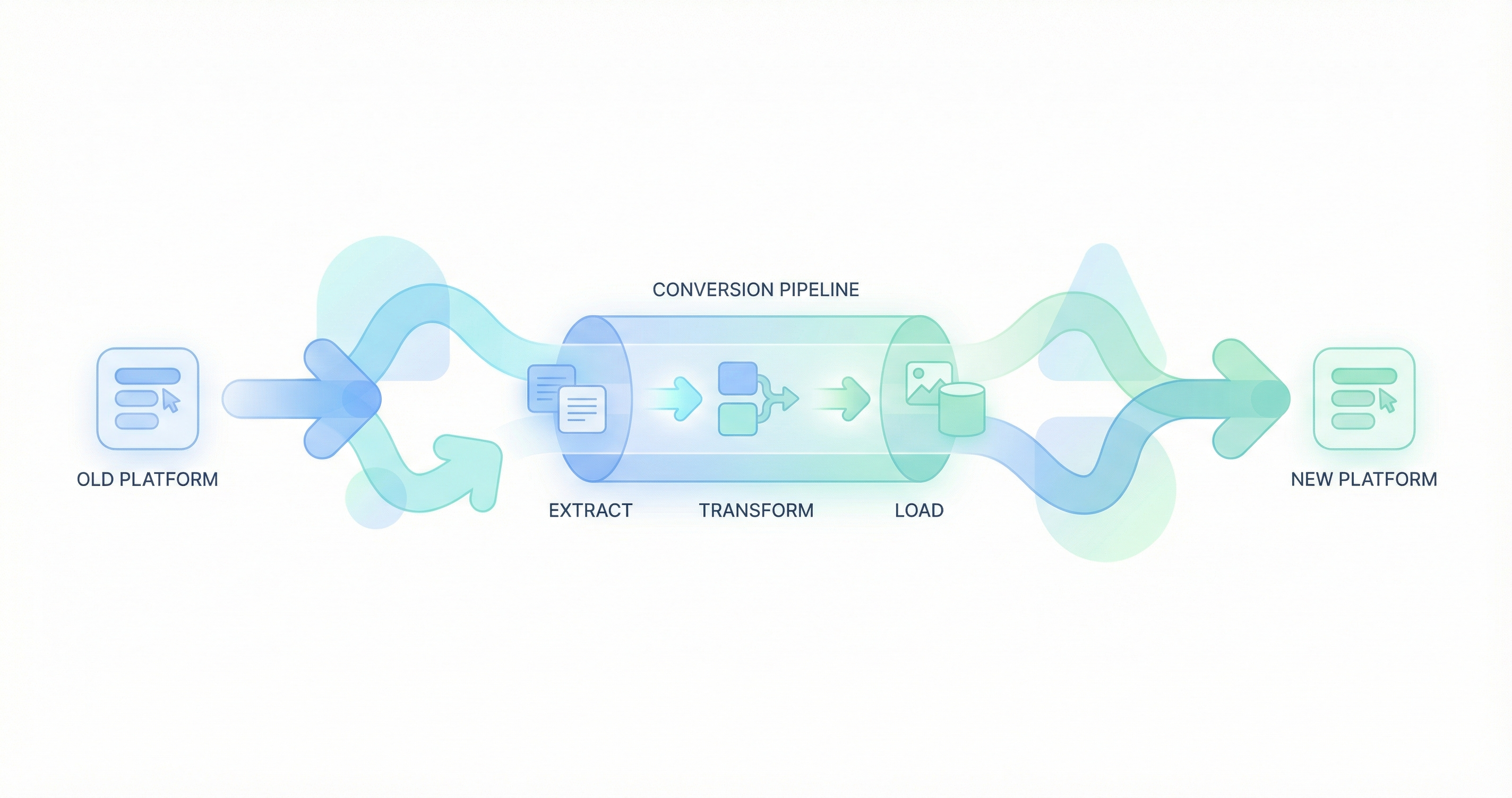
Option 3: Automated Export + Cleanup
Best for: Founders who want their existing app converted, not rebuilt.
Process:
- Export your Bubble app structure
- Convert to production-ready Next.js/React code
- Migrate database to PostgreSQL/Supabase
- Handle auth migration (the hard part)
- Deploy and verify
This is what we do at BubbleExport. The difference from options 1-2 is that you're converting your actual app—not rebuilding from scratch, not rewriting from specs.
Timeline: 1-8 weeks depending on complexity Cost: $1,500-$5,000 Risk: Low—your existing app is the source of truth
The Password Migration Problem
One fear that stops migrations cold: passwords.
"You can't export passwords" — will_ericksson, Bubble Forum
This is technically true—and also solvable. Here's how:
Approach 1: Transparent Password Reset
On first login to your new platform, users enter their email. You send a "Set your password" link. They create a new password. From their perspective, it's a security update—annoying but not alarming.
Approach 2: Shadow Authentication
Run both systems temporarily. Users log in to Bubble, you capture the password event, hash it for your new system. When you cut over, their password already works.
Approach 3: OAuth Migration
If you support Google/Apple/social login on Bubble, those users don't have Bubble passwords anyway. They'll OAuth into your new system seamlessly.
The password problem is real but not insurmountable. Don't let it be the excuse that keeps you on a burning platform.
What the Next 2 Years Look Like
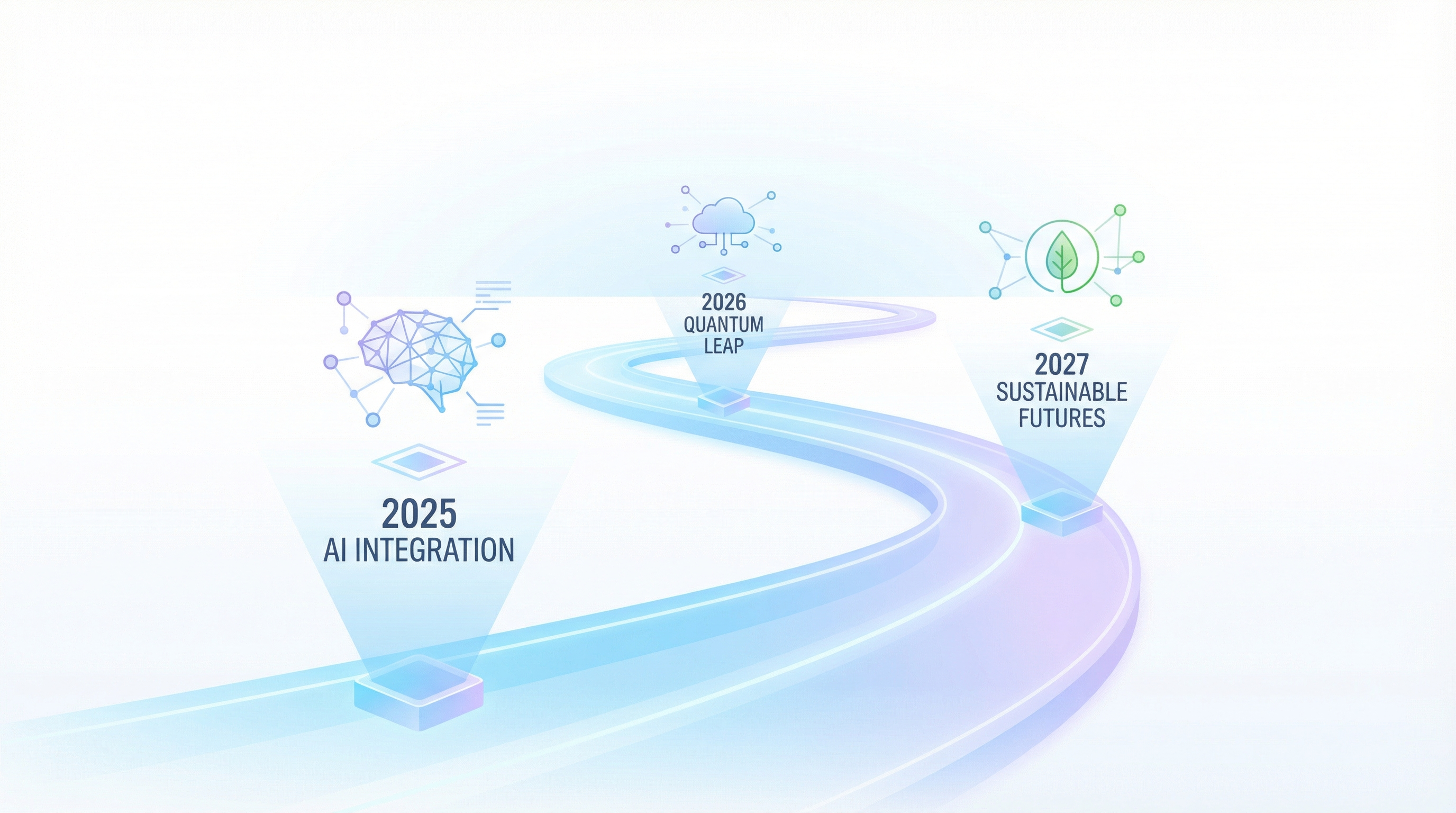
Here's our prediction for the no-code/low-code space:
2025-2026: The Great Migration
AI coding tools mature rapidly. Claude, GPT-5, and specialized coding models get dramatically better. The "beginner with AI" versus "expert without AI" productivity gap widens.
Bubble and other no-code platforms bleed users to custom code. Not all users—but the most technical, the most cost-sensitive, the most scale-focused.
2026-2027: Bifurcation
No-code survives but narrows. It becomes the tool for:
- True non-technical users who won't touch code even with AI help
- Internal tools and automations (Zapier/Make territory)
- Rapid prototyping before "real" development
Serious applications increasingly start on, or migrate to, custom code. The AI assistance makes this accessible to anyone willing to engage with it.
The Adaptation Pressure
Bubble isn't static. They'll likely respond with:
- AI features built into the editor
- Better performance optimizations
- Possibly even code export (though they've said no for now)
"Bubble has no plans to build an export tool in the next 1-2 years" — mikeloc, citing Bubble co-founder Josh
Two years is a long time when the market is moving monthly. Founders can't wait for Bubble to catch up. They need solutions that exist now.
The Emotional Reality of Leaving Bubble

Let's acknowledge something the technical discussions often miss: leaving Bubble is hard.
You invested time. You learned the platform. You built something that works. Walking away feels like admitting a mistake, like abandoning sunk costs, like starting over.
"bubble just wasted 2 years of my life and put me out of business before i can even start" — ryan8, Bubble Forum
Ryan's anger is about more than money. It's about time that can't be recovered. Skills that feel suddenly less valuable. A future that looks different than planned.
If you're feeling this, know that:
-
You didn't make a mistake choosing Bubble. The calculus was different when you started. Bubble was the right choice then. It may not be the right choice now.
-
Your Bubble skills aren't worthless. Understanding workflows, database design, API integration, UI/UX—these transfer. You're not starting from zero.
-
Migration isn't starting over. Your app exists. Your users exist. Your learnings exist. You're building forward, not backward.
"I never thought of going back to bubble" — munaeemmmm (months after migration)
This is what the other side looks like. Not regret—relief. Not loss—freedom.
Conclusion: The Bridge Is Burning. Where Will You Cross?

Bubble built a bridge across the coding gap. For years, it was the best bridge—maybe the only bridge—for non-technical founders.
AI coding tools built a new bridge. It's wider. It's faster. It leads to better destinations. And it's accessible to everyone willing to walk across.
The old bridge isn't gone yet. You can still use it. But the traffic is thinning. The maintenance is declining. The tolls keep rising.
"If AI can build anything you want in seconds, on a dollar per month hosting plan, why would you pay bubble 10 or 100x?" — sem, Bubble Forum
This question doesn't have a good answer anymore. The reasons to stay on Bubble are shrinking. The reasons to migrate are growing.
You have options:
- Stay and optimize — Extend your runway on Bubble, knowing it's finite
- Learn AI coding — Build the skills to migrate yourself
- Hire for migration — Pay developers to rebuild
- Export and convert — Transform your existing app to custom code
The worst option is paralysis. Waiting for certainty. Hoping Bubble fixes itself or AI coding turns out to be a fad.
It's not a fad. The change is structural. The question isn't whether to adapt, but when and how.
Frequently Asked Questions

Can AI coding tools really replace Bubble for non-technical founders?
Yes, increasingly. Tools like Cursor with Claude can generate entire applications from natural language descriptions. You don't need to understand the code deeply—you need to describe what you want clearly. The learning curve is now weeks, not months. For many founders, AI-assisted coding is already faster than Bubble, with better results.
How long does it take to learn AI-assisted coding enough to be productive?
Most motivated learners become productive within 2-4 weeks. Unlike traditional coding which requires understanding syntax and concepts before building, AI tools let you build immediately while learning. You describe what you want, the AI generates code, you see results. Understanding deepens through iteration, not prerequisite study.
Will Bubble add AI features or code export to stay competitive?
Bubble has added some AI features (like an AI page builder) but has explicitly stated they have no plans for code export in the next 1-2 years. Whether they can adapt fast enough to compete with dedicated AI coding tools remains to be seen. Founders can't base decisions on features that don't exist and aren't promised.
Is it better to learn AI coding or pay for migration?
It depends on your situation. If you have more time than money, and interest in technical skills, learning AI coding is valuable long-term. If you have a production app with users who can't wait, paying for professional migration gets you there faster with less risk. Many founders do both—migrate their current app professionally while learning AI coding for future projects.
What happens to my Bubble database when I migrate?
Your data exports from Bubble as CSV files. Professional migration services convert this to PostgreSQL or your target database format, preserving relationships and data types. The data itself isn't locked in—the export process is just cumbersome for large datasets (millions of records require special handling).
Ready to explore your options? Whether you're considering AI-assisted development, professional migration, or just want to understand your app's migration complexity, book a free consultation to discuss your specific situation.
Further reading: When to Migrate Off Bubble (And When to Stay), Bubble to Supabase + Next.js: The Complete Migration Path
Ready to talk migration?
Get a free assessment of your Bubble app. We'll tell you exactly what to expect — timeline, cost, and any potential challenges.